

Autism and Chronic Illness - My Journey of Finding Safety, Support and Balance at Work
- GetAHEAD Blog: Workplace Wellness Guide
- GetAHEAD Blog: What the WAM Programme Taught Me About Work, Disability and Opportunity
In my early working life, I couldn’t understand why I kept burning out or why a healthy work-life balance felt impossible. A standard five-day week, especially in roles that involved lots of calls every day, left me completely wrecked. I couldn’t keep up the pace without it taking a huge toll, no matter how hard I tried.
Autism Diagnosis and Disclosure
The constant exhaustion, along with many other clues, eventually led me to start exploring a possible autism diagnosis. Getting my diagnosis at 27 years old was a turning point, suddenly putting everything into perspective. Personal life aside, I could finally understand why traditional ways of working had always felt so draining and unsustainable for me.
I immediately started trying to advocate for myself and disclosed my diagnosis to my employer at the time. They were accommodating by reducing my hours slightly and giving me the option for a four-day week with longer days. On paper, it gave me an extra day to recover, but in reality, it (amongst other things) just concentrated the exhaustion. By the end of those long days I was completely drained and I wasn’t getting the supports I needed to work well and not crash every evening and weekend. I also realised that the type of work I was doing as a Project Manager in a very busy organisation was not a good fit for what my mind and body needed.
I interviewed with a few other organisations but when I was open about my diagnosis I didn’t move to the next stage of the process. When AHEAD advertised a role, I already knew that they promoted an inclusive, supportive workplace and I even openly disclosed my diagnosis in my cover letter. Everything changed when I got the role - I had access to a comprehensive needs assessment, which helped to identify and put in place the reasonable accommodations that supported me in my work. I was still working four days, but in a way that was far more sustainable and balanced. With that also came the acceptance that my career path would look pretty different to what I had planned. This initially came with grief and doubt, but I know now that the route it brought me down was the right one for me both professionally and personally.
What made the biggest difference was the environment itself. I felt safe enough to advocate for myself, to say what I needed, and to learn as I went. I wasn’t expected to have everything figured out from day one and I always had the option to update my needs assessment as things changed. That sense of psychological safety and knowing that I could be open about my needs gave me the confidence to grow in my role in a way I had never experienced before.
Navigating Chronic Illness
It was during this time that I started developing and navigating a number of chronic illnesses, which added a whole new set of challenges. My diet changed completely and became very limited, I needed more flexibility for medical appointments, and fatigue (along with a pile of other symptoms) became a huge part of my everyday life.
In another workplace, I know I would’ve been afraid to disclose because of how much my illness changed things for me both personally and at work. I’d imagine it might have been met with resistance or frustration. Instead in AHEAD I was met with understanding, reassurance and compassion. There was never a question about whether I could bring my own food to events or office days, it was simply respected. If I needed flexibility around appointments or rest, that was always accommodated. Knowing that my needs were recognised without judgement made a huge difference, not only to my ability to work, but also to my overall wellbeing.
What I've Learned
This journey has taught me that the right workplace doesn’t just tolerate difference, it creates a safe space for people to thrive even when they are dealing with life-changing challenges. Reasonable accommodations are a very important part of creating that safe space and are far from “special treatment” - they are the foundation that allows people to do their best work while looking after their health.
Most importantly, I’ve learned that you should never be made to feel like you’re asking for too much. Supportive workplaces where you can heal, grow and succeed do exist, and when you find one it can change everything. As of this month, I’ve been with AHEAD longer than any other organisation I’ve worked in. Instead of being exhausted, struggling mentally and looking for options elsewhere where I might cope better, I feel content, supported, respected and couldn’t imagine working anywhere else.
Advice I'd Give My Younger Self
Looking back on this journey, here are five things I would tell my younger self:
- Listen to your body
- If you’re constantly exhausted, it could well be a sign that the way you’re working isn’t sustainable and you need to reframe what work looks like for you. Only you can know your limits.
- Don’t wait to ask for support
- Keep advocating for yourself and don’t hold back on asking for support. A needs assessment and simple accommodations can make a huge difference to your day-to-day. These are things that you are entitled to, and for the most part they aren’t difficult or costly for an employer to put in place.
- Seek out the right environment
- The work environment and culture matter just as much as the work itself. Being somewhere safe and inclusive can transform your working experience.
- If it feels right for you, don’t be afraid to disclose
- If you disclose to an organisation at interview stage or as an employee and they respond in an unsupportive way, that isn’t on you. It also gives you a good indication of how inclusive and accommodating they are as an employer.
- Shame does not have a place here
- You are doing everything you can with the tools, energy and knowledge that you have. Nobody should make you feel ashamed, especially not yourself. Navigate your circumstances with the grace you’d give your best friend and be proud of everything you’ve achieved.
Final Thoughts
If you are a student or graduate worrying about what employment might look like with autism, chronic illness or any other condition, please know that you are not alone. You have a right to ask for support, to set boundaries and to seek out a workplace that meets your needs. Advocate for yourself, explore accommodations that might work for you and remember that the right environment can make all the difference.
Useful Links and Resources
-
AHEAD’s WAM Programme is an incredible opportunity to get paid, mentored work placements with inclusive employers and go through the needs assessment process with a supportive WAM Project Officer. Learn more: WAM Programme – For Graduates - AHEAD
AHEAD’s Guide to Disclosure: How to tell Employers about your Disability - A Guide to Disclosure
AHEAD’s Workplace Wellness Guide: Workplace Wellness Guide for Students and Graduates with Disabilities
AHEAD’s Senior WAM Project Officer discusses self-advocacy in the workplace: GetAHEAD Blog: Self-Advocating at Work - AHEAD
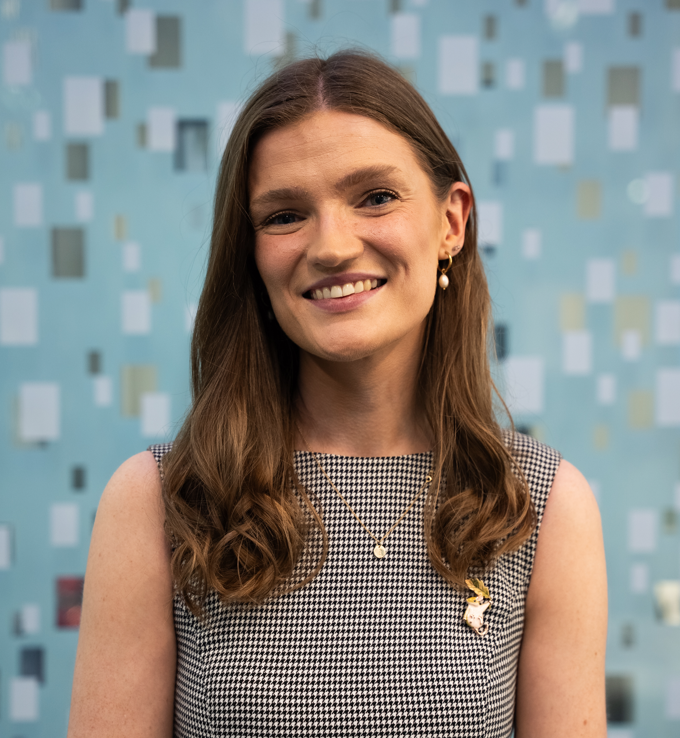 Blog Author: Banba Fitzgerald
Banba Fitzgerald holds two first class honours degrees from University College Dublin including a BSc in Science and an MSc in Business & Biotherapeutics. She is very passionate about the healthcare and disability sectors and has personal experience with hidden disabilities. Her background has largely been in the pharmaceutical and medical communications industries with experience in a variety of areas including project and event management. At present, Banba is currently working in AHEAD as GetAHEAD Officer and is dedicated to making a meaningful difference in the disability community.
First published October 2025.


