Access All Areas: A participatory board game for DARE Students at National College of Art and Design
My practice centres on accessibility, advocacy, and collective care. Working at the intersection of education and social justice, I explore how art can be used for social change by sparking conversation, building solidarity, and imagining more equitable futures. I aim to create lasting resources that respond to real gaps in institutional support.
Access All Areas is a participatory tabletop and life-size board game, developed over the course of a year during the NCAD MA Art and Social Action programme. The MA programme is a practice-based programme that combines critical theory with socially engaged art practice. The final work during my MA aims to support DARE students during Orientation Week at NCAD to understand the support and services available to them. DARE (Disability Access Route to Education) is a third level alternative admissions scheme for school-leavers under the age of 23 whose disabilities have had a negative impact on their second level education.
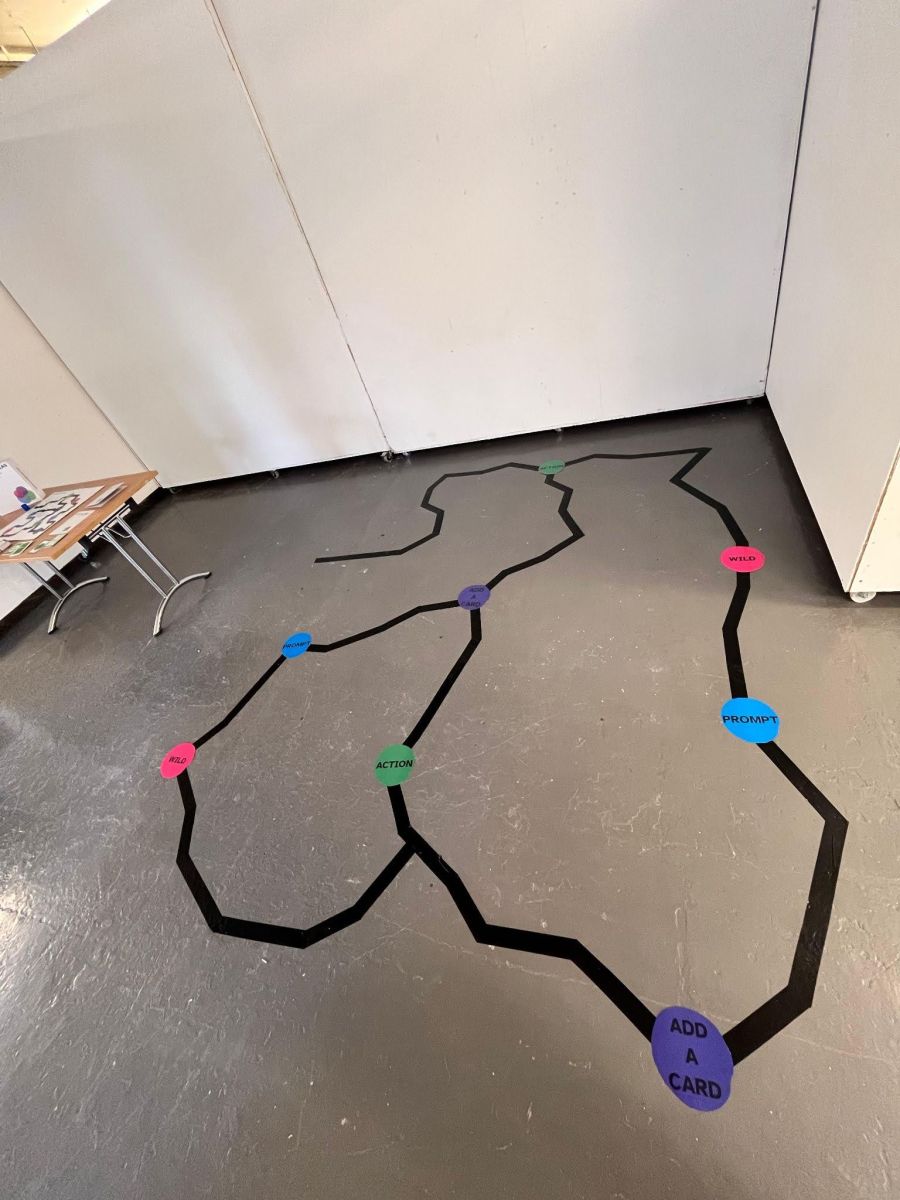
Figure 1. Access All Areas board game floor version
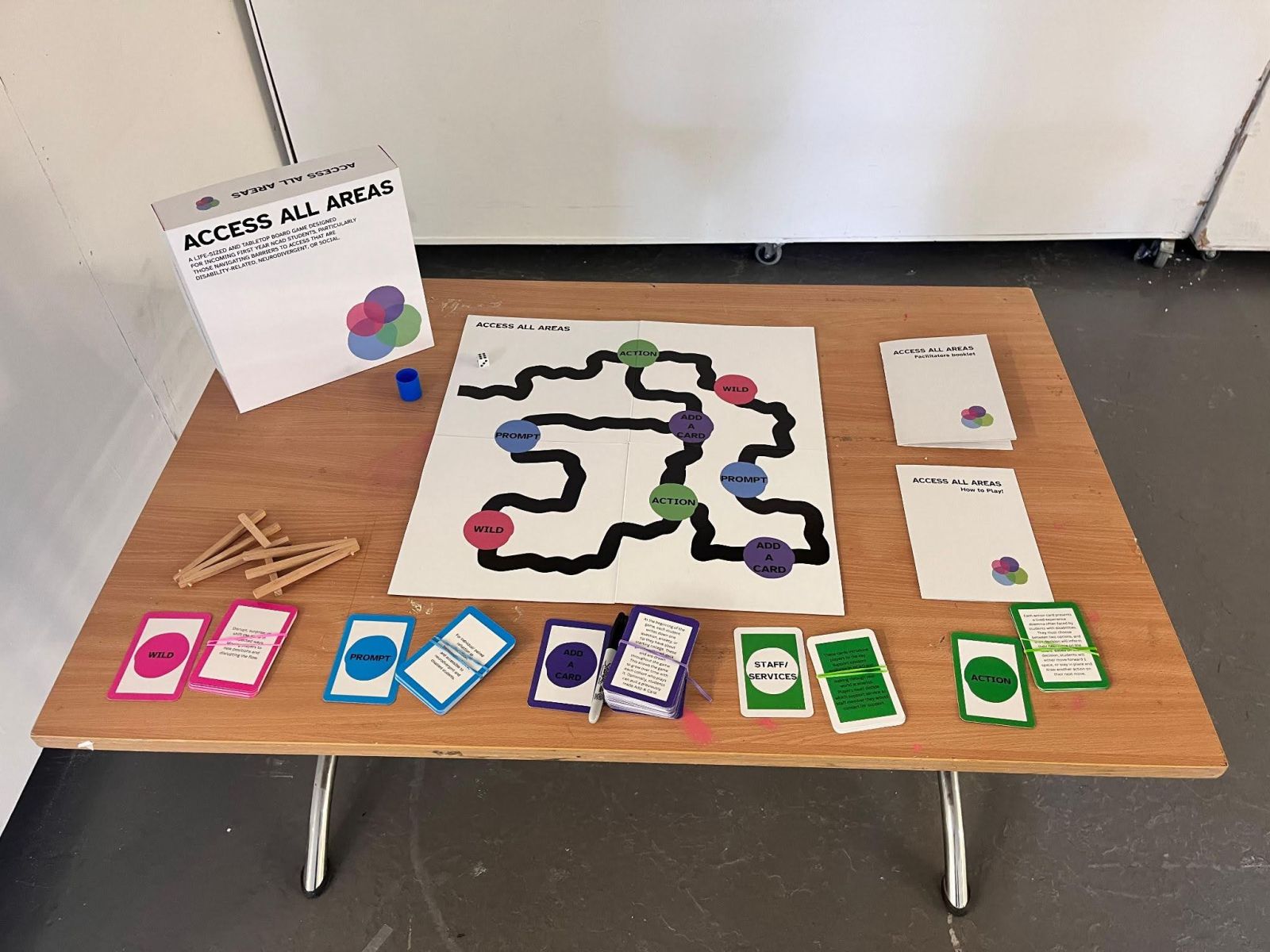
Figure 2. Access All Areas board game tabletop version
There has been a 132% rise in students registering with Disability Support Services in higher education over the past ten years. (AHEAD Ireland, 2023, p.16)
This work is grounded in lived experience as both a personal and collective site of knowledge production. During my time as National College of Art and Design Student Union (NCADSU) Vice President and President, I witnessed firsthand how frequently students with disabilities were required to repeatedly advocate for their access needs and navigate unclear support systems. In response, the game was developed for students with disabilities at NCAD, using play as a participatory and pedagogical tool to support access, peer learning, and collective navigation of institutional systems.
The objectives of the game include introducing students to key support services within the college, encouraging peer-to-peer learning and knowledge sharing, and supporting students in identifying appropriate resources for different challenges. By disrupting competitive game logic through inclusive design and positioning students as co-creators rather than passive participants, the work also builds a living archive of access knowledge through student-generated contributions, which inform its ongoing development.
The work is informed by multiple pedagogical frameworks. It draws on decolonial approaches to education, which interrogate whose knowledge and experiences are prioritised and call for relational, justice-oriented practices (Andreotti, 2018). Decolonial approaches question dominant power structures in knowledge production, highlighting whose perspectives are often marginalised. They create space for more equitable, context-sensitive learning that values diverse experiences and fosters inclusive, justice-oriented educational practices. It centres student knowledge and lived experience as valid and valuable expertise. By challenging one-size-fits-all models of orientation and resisting top-down information delivery, the game facilitates dialogue and peer-to-peer exchange, creating space for diverse access needs, including neurodivergent, social, and invisible disabilities, to be acknowledged and discussed.
Access All Areas also draws on critical pedagogy, which challenges dominant power structures and positions learners' lived experiences as central to education (Freire, 1970; Hooks, 1994). Facilitated by the Access Office and NCAD Students Union, the game redistributes power during orientation, encourages critical engagement with systemic barriers, and empowers incoming students to advocate for their needs and rights within the institution. Using the Head, Hand, Heart pedagogical model, which connects critical understanding (head), action (hand), and care or empathy (heart) (Freire, 1970), the game bridges knowledge, practice, and relational awareness, sparking discussion around the diversity of student needs rather than focusing solely on physical access.
The work also incorporates counter-education through play, a learning approach rooted in radical critical pedagogy and experimental art that challenges top-down educational models (Nielsen, 1968). Play, participation, and self-directed exploration are used as tools for critical engagement. The game subverts conventional orientation formats by replacing passive information delivery with student-led learning and by using a non-linear structure that resists the notion of a single correct pathway. Through this approach, play functions as a strategic tool for fostering critical reflection, community-building, and collective advocacy within the institution.
Accessibility is central to the design and impact of Access All Areas. Every element, from font choice and colour contrast to the tactile layout of cards, has been carefully considered to ensure inclusivity. The game uses clear, legible fonts and high-contrast colours, tested according to WCAG (Web Content Accessibility Guidelines), RNIB (Royal National Institute of Blind People) and the Universal Design Customer Communications Toolkit (inclusive communications) (WCAG, 2023; RNIB, 2022; Universal Design Customer Communications Toolkit, 2021).
Cards are visually distinct, easy to handle, and follow a consistent layout logic, supporting ease of use for all players. The life-size version is designed to be physically navigable for wheelchair users and participants with mobility challenges, while a tabletop version provides an accessible alternative for different spaces and needs.
Ethical engagement is integral. The game creates a safe and supportive space for students to share personal experiences without judgment, ensuring that the voices of disabled and neurodivergent participants are valued and heard. Participation is entirely voluntary, with no expectation to disclose beyond individual comfort, and the design actively avoids reinforcing stereotypes or ableist assumptions. Ongoing participant feedback informs both ethical considerations and the continued development of the game, fostering collective reflection and empowerment.
The game was co-created and advised by current and incoming NCAD Student Union Officers, Aontas na Mac Léinne in Éirinn (AMLÉ/ USI) Officers, Access Office staff, and students with disabilities, including members of the NeurodivertisTEA Society (the neurodivergent society, where students meet for tea and chats). Early iterations were tested with students from AHEAD and the AMLÉ Students with Disabilities Advisory Group (SwDAG), whose feedback informed the game’s ongoing development.
The final iteration of the game, supported by the Access Office, was facilitated during Orientation Week in its life-size format with 37 students and three facilitators. The physical design prioritised accessibility, enabling inclusive participation. Evaluation feedback collected from students was positive, highlighting the game’s supportive and engaging approach. The game has been retained by the Access Office for future orientation weeks, and it remains iterative, with Add-a-Cards collected during each facilitation cycle informing ongoing development and adaptation.
Moving forward, Access All Areas is envisioned as an evolving work that can adapt to new contexts and communities while maintaining its focus on accessibility and empowerment. The non-linear, participatory structure reinforces the idea that socially engaged projects are ongoing conversations rather than fixed outcomes. This work has also strengthened my awareness of the responsibility involved in working with disability, highlighting the need to continually reflect on power dynamics and to ensure that future iterations remain inclusive, ethical, and responsive to the needs of participants.
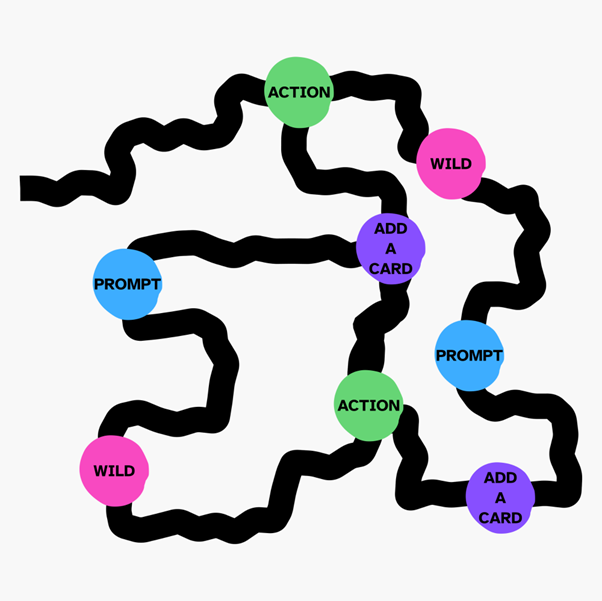
Figure 3. Illustration of board game layout
References
AHEAD Ireland. (2023). Students with disabilities in higher education: Annual Report 2013-2023. Dublin: AHEAD Ireland.
Andreotti, V. (2018). Decolonial approaches to education: Social justice and global citizenship. London: Routledge.
Freire, P. (1970). Pedagogy of the oppressed. New York: Continuum.
Hooks, B. (1994). Teaching to transgress: Education as the practice of freedom. New York: Routledge.
Nielsen, T. (1968). Experiments in counter-education through play. Copenhagen: Danish Educational Press.
RNIB (2022). Accessibility guidelines for print and digital media. London: Royal National Institute of Blind People.
Universal Design Customer Communications Toolkit. (2021). Guidelines for inclusive communications. London: UK Government Digital Service.
WCAG (2023). Web content accessibility guidelines 2.2. Available at: https://www.w3.org/WAI/WCAG22/ (Accessed: 20 January 2026).


