The Ahead Journal

#AHEADjournal

A Review of Inclusive Education
& Employment Practices ISSN 2009-8286

INHEF Special Feature 

Learner Advocates - Easy Read Version
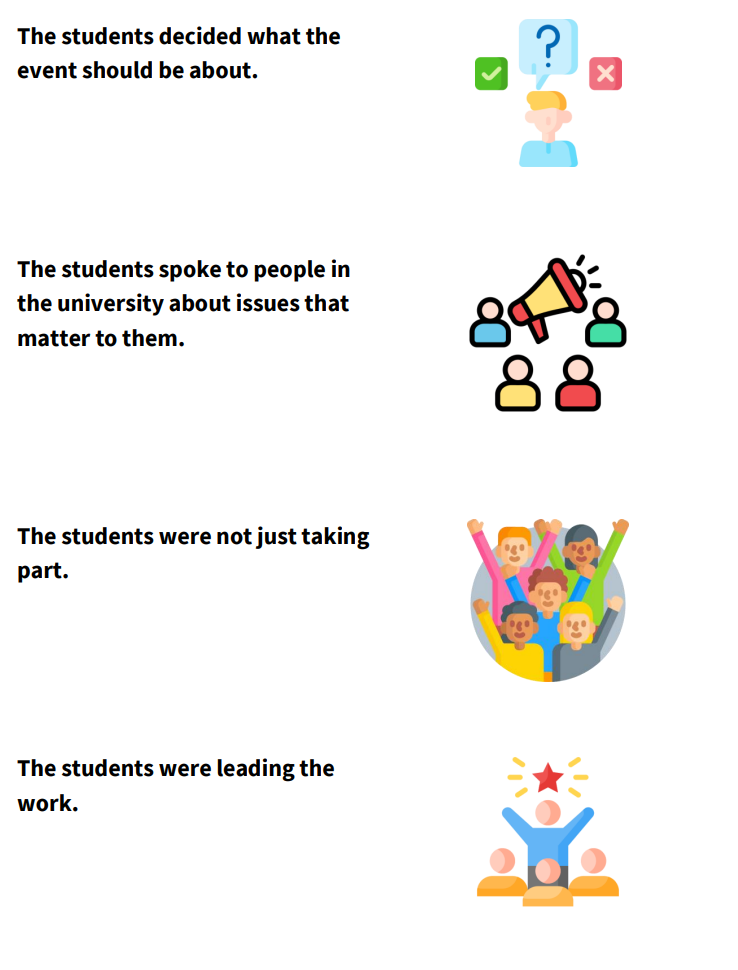
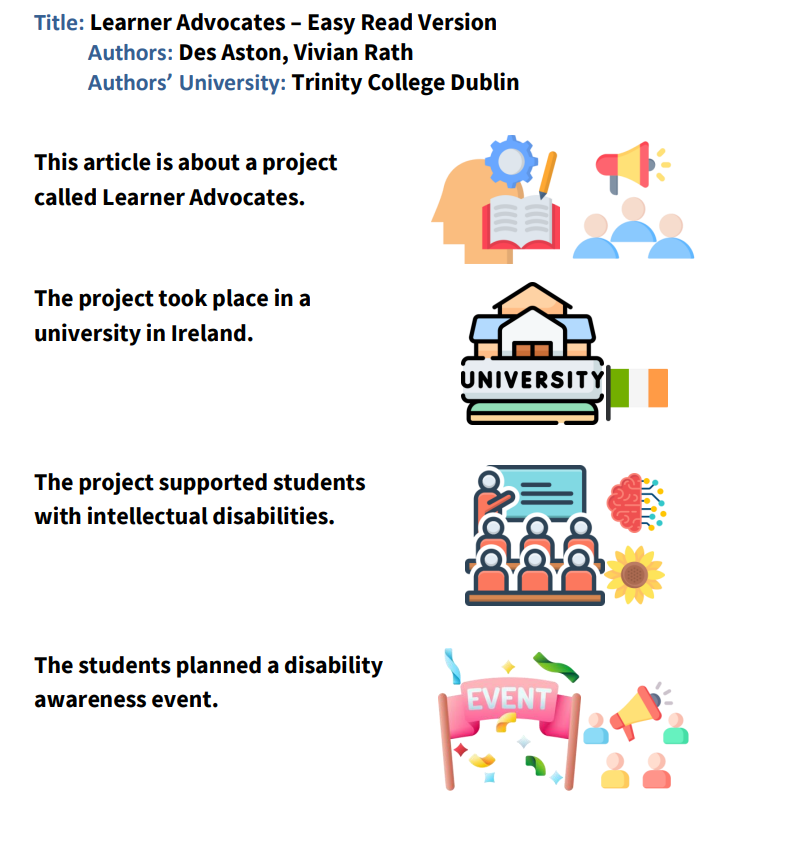
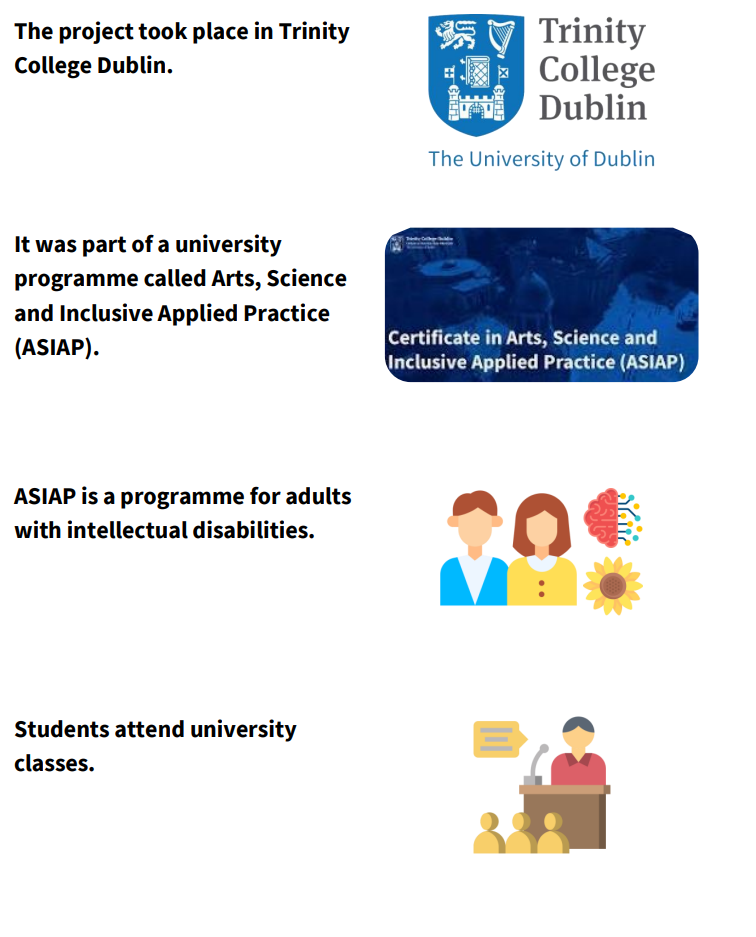
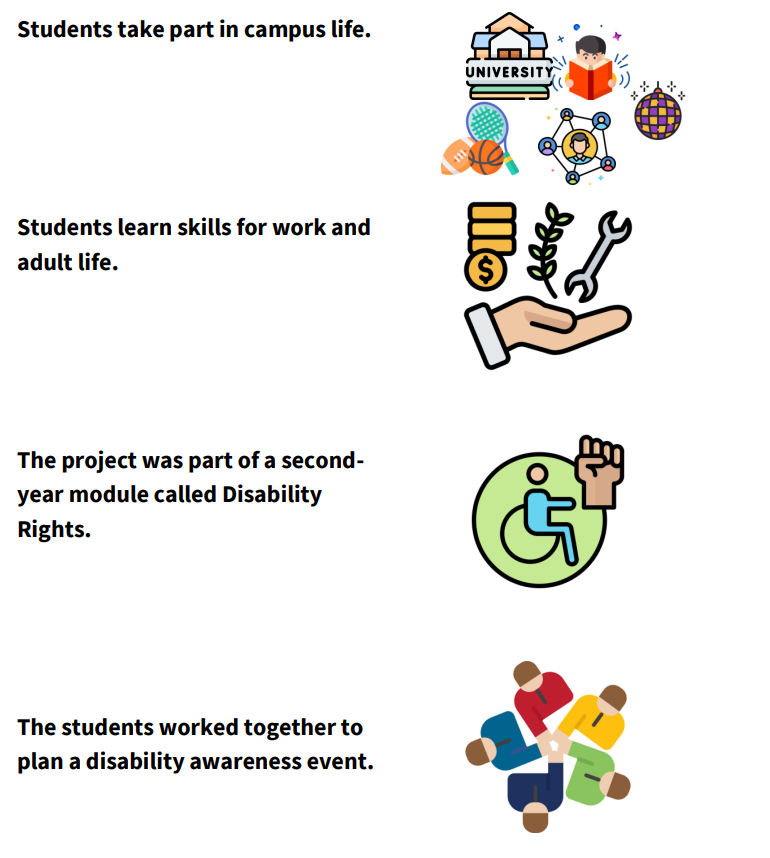
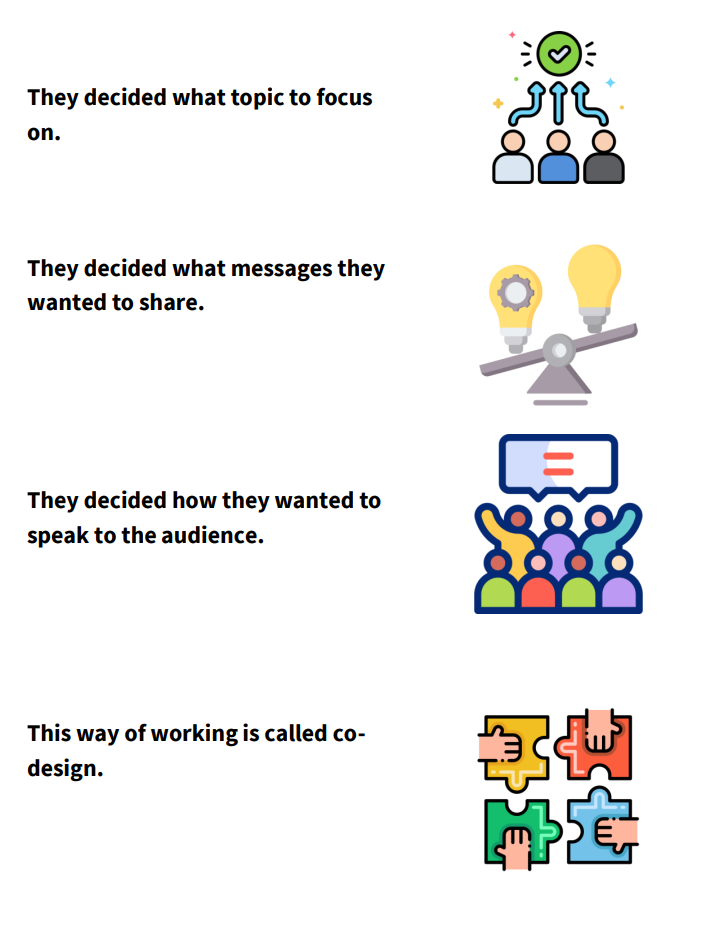
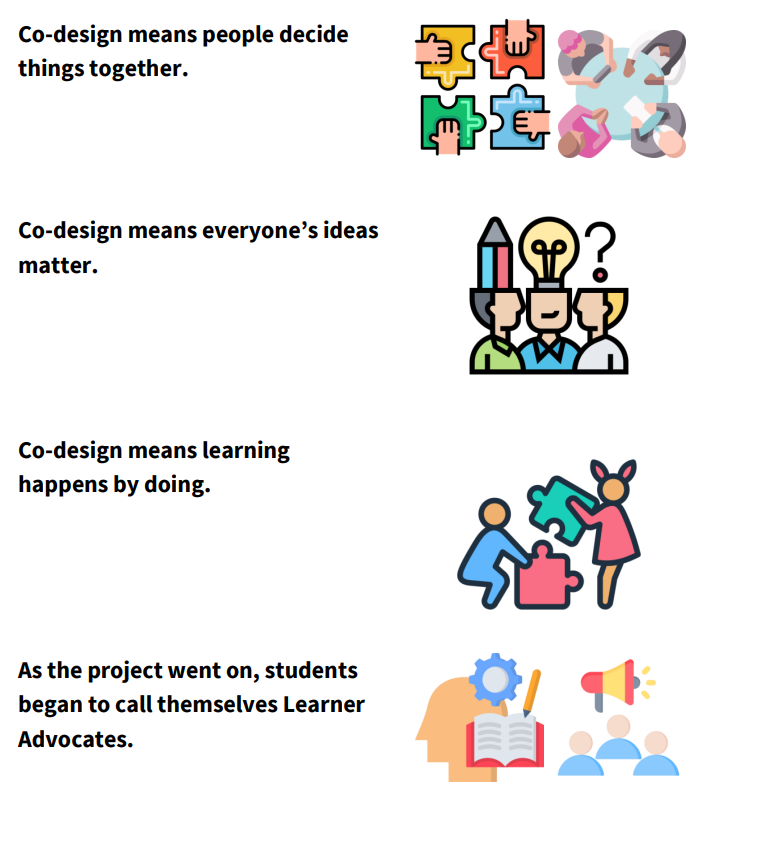
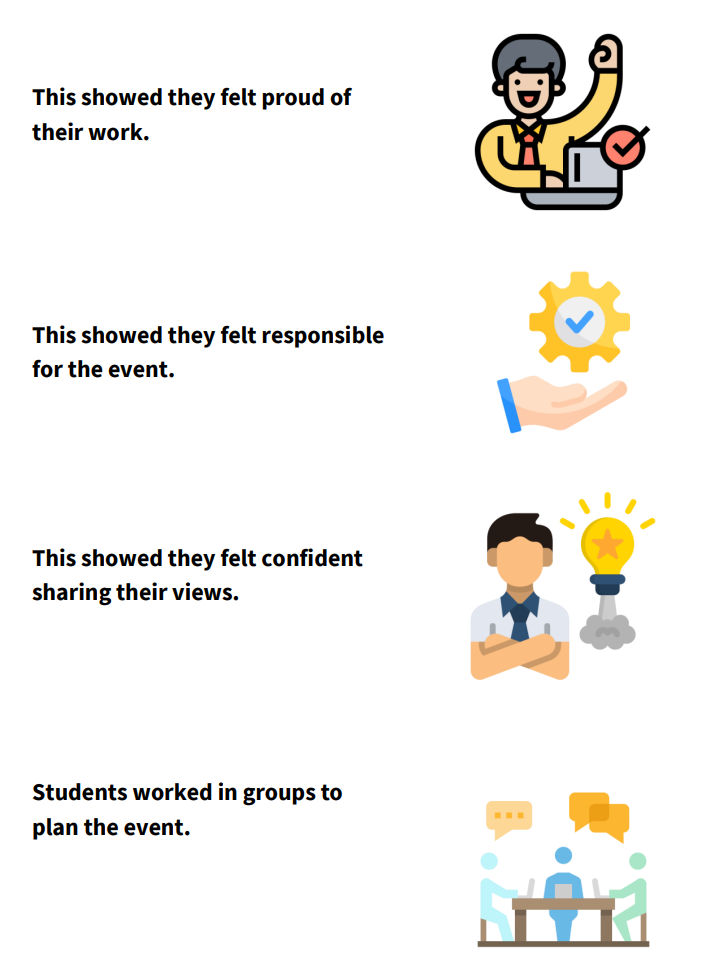
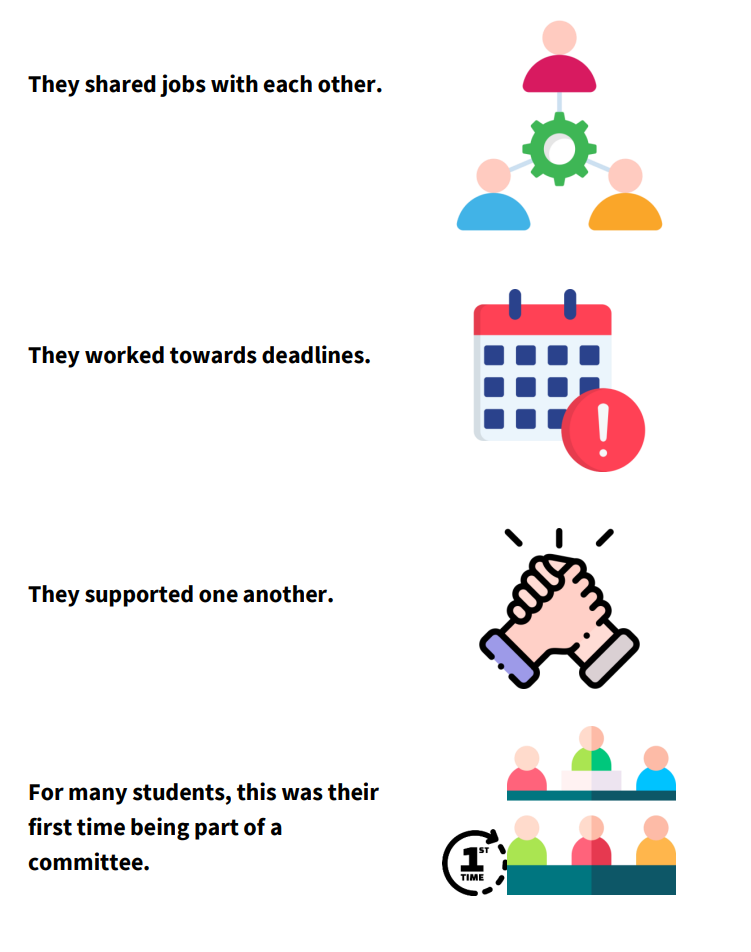
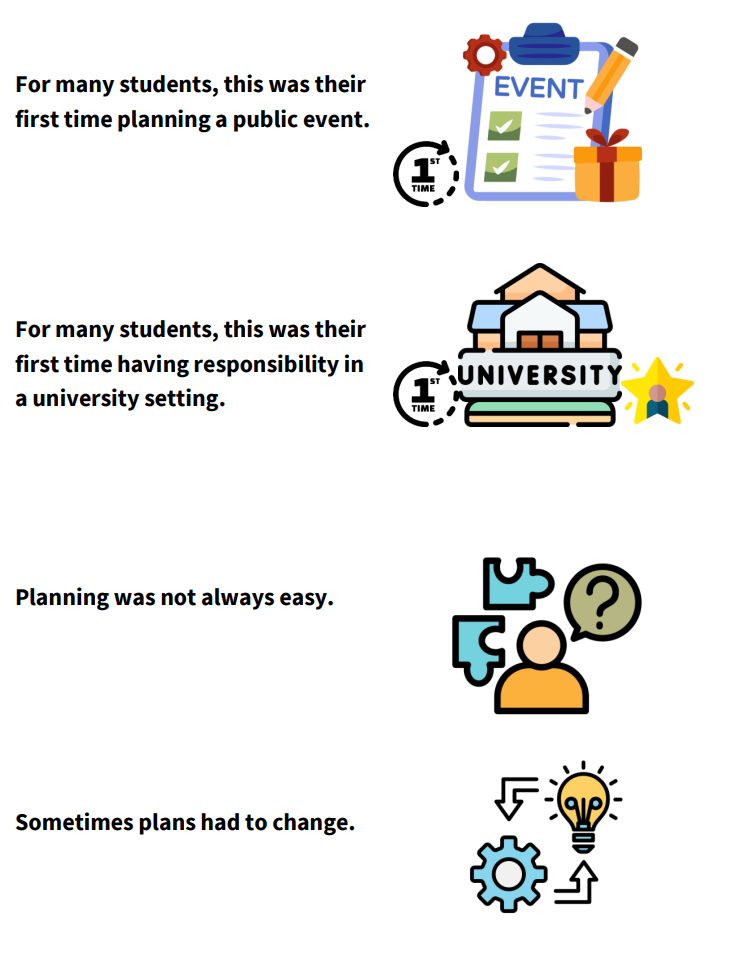
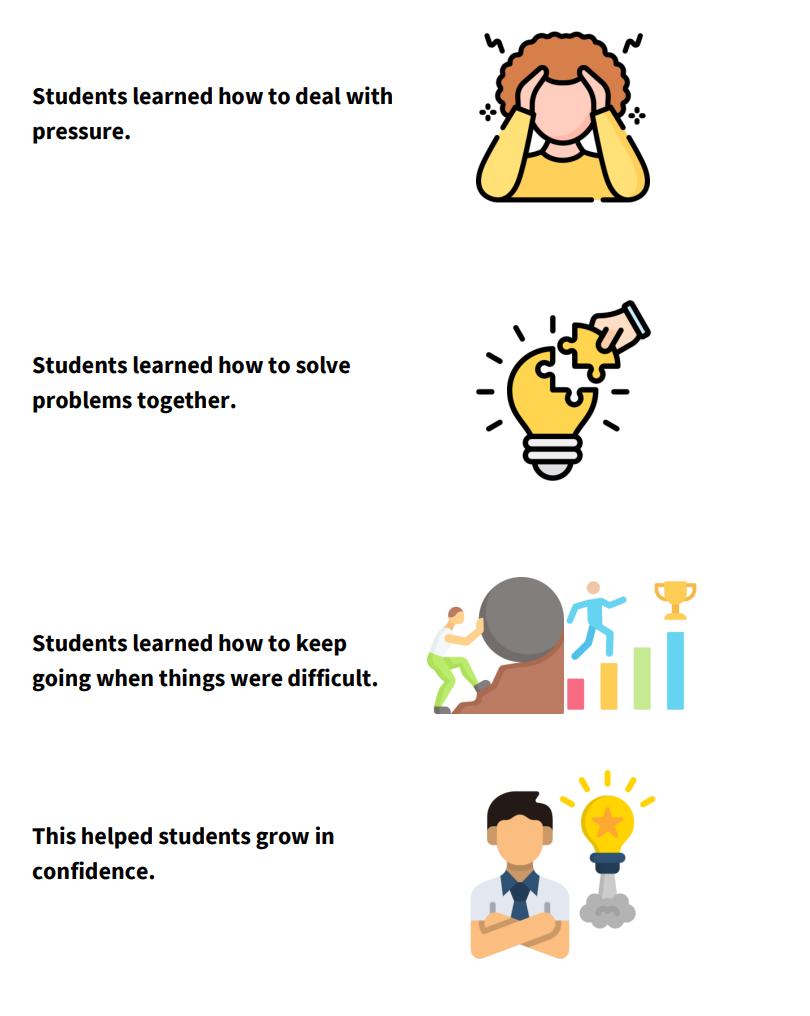
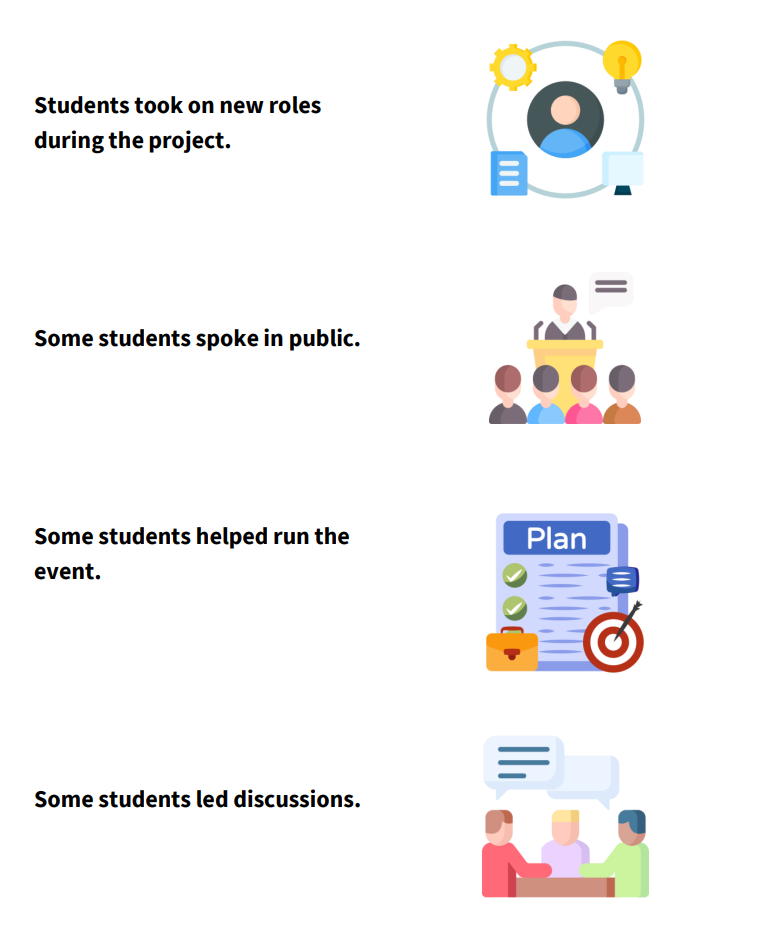
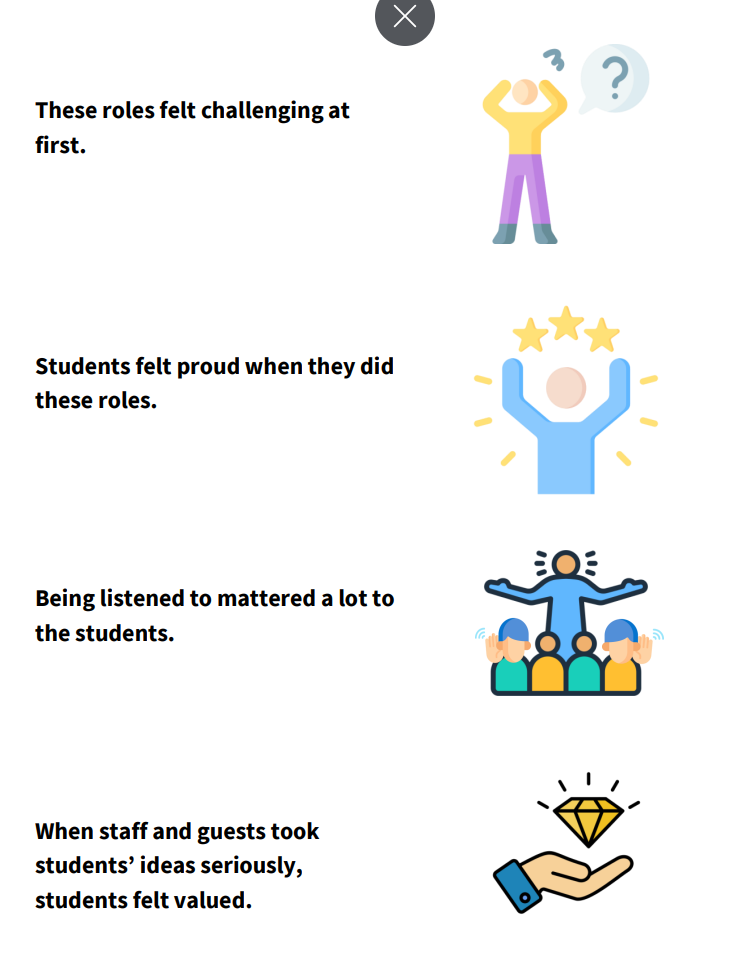
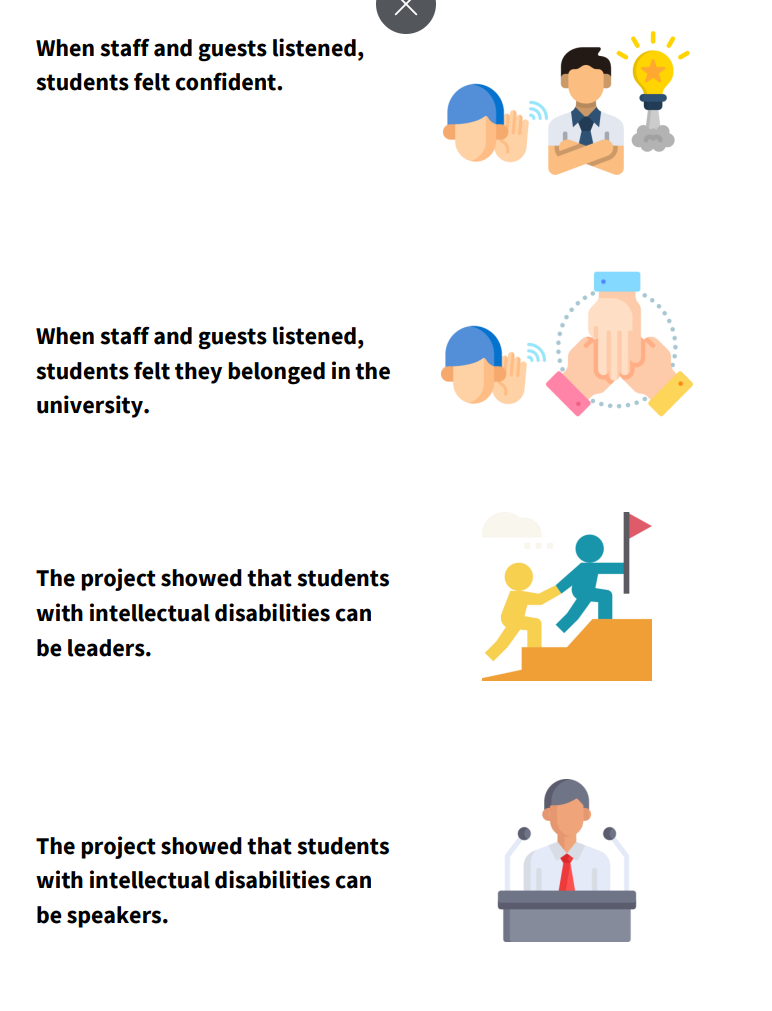
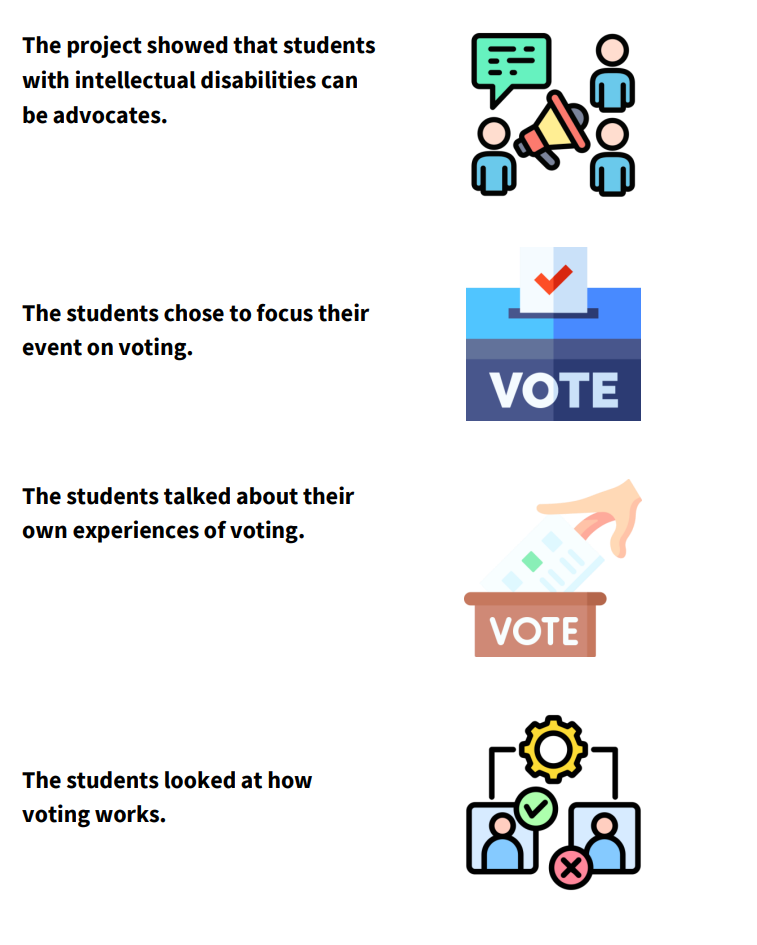
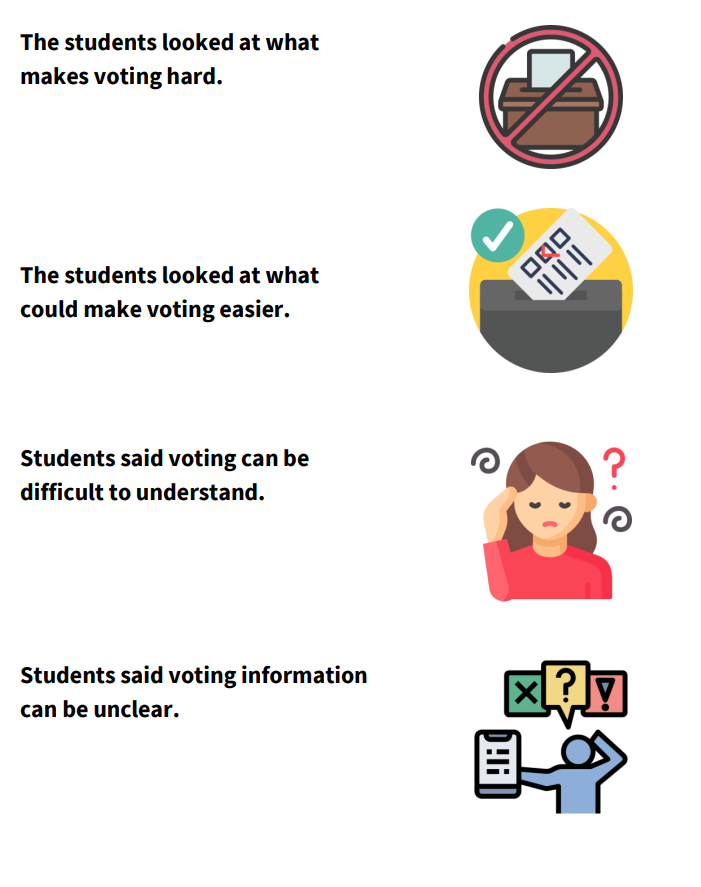
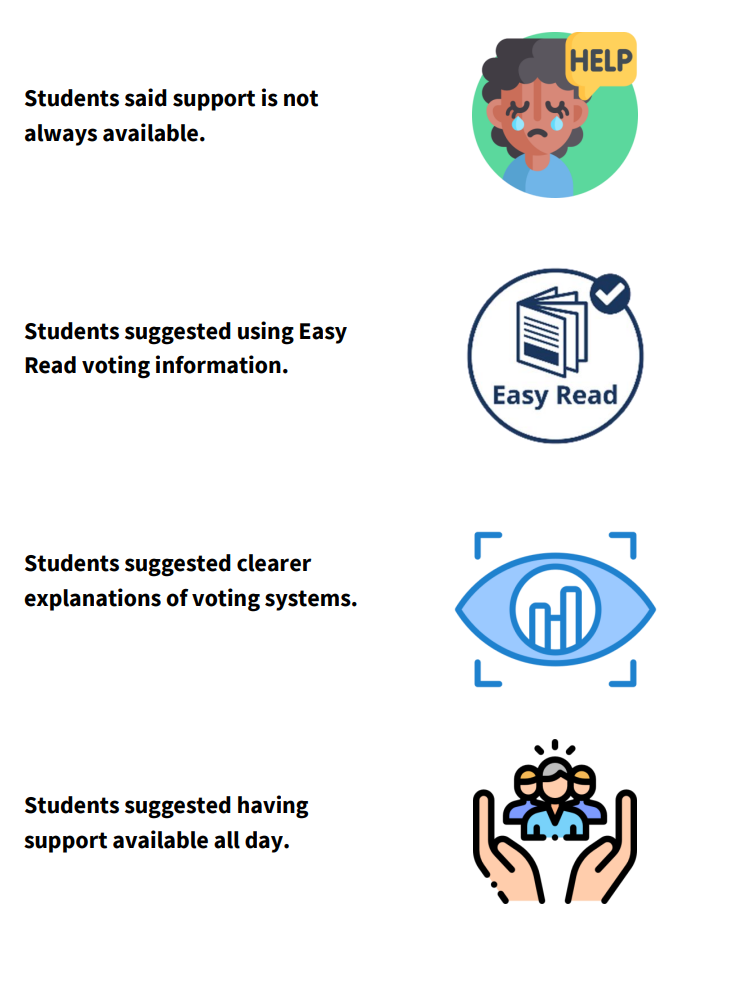
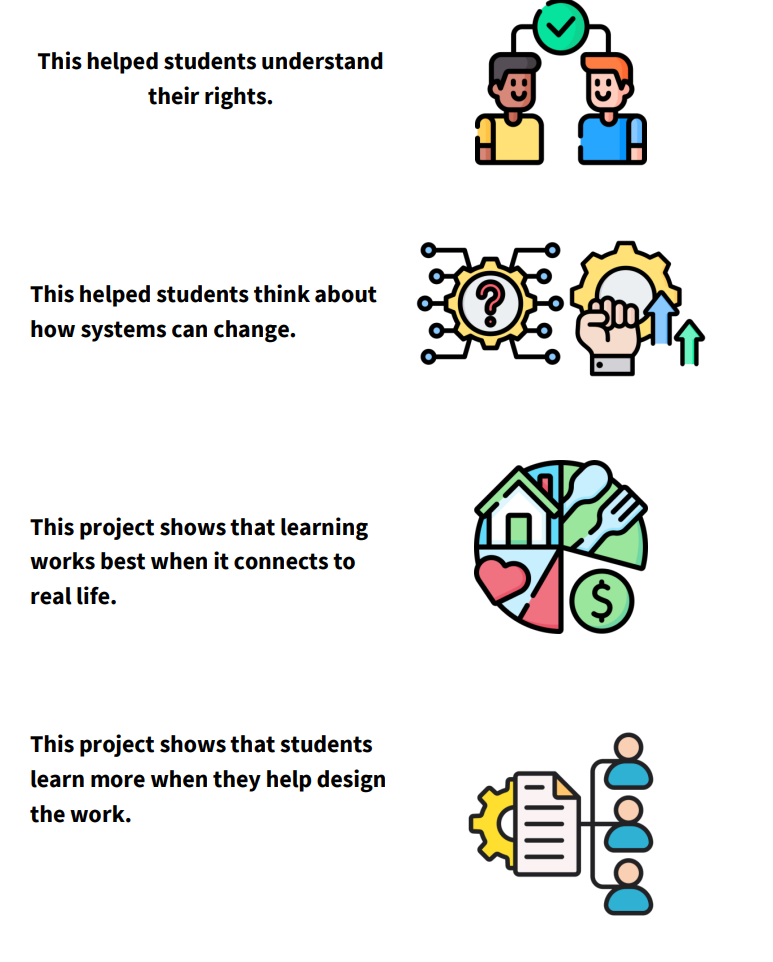
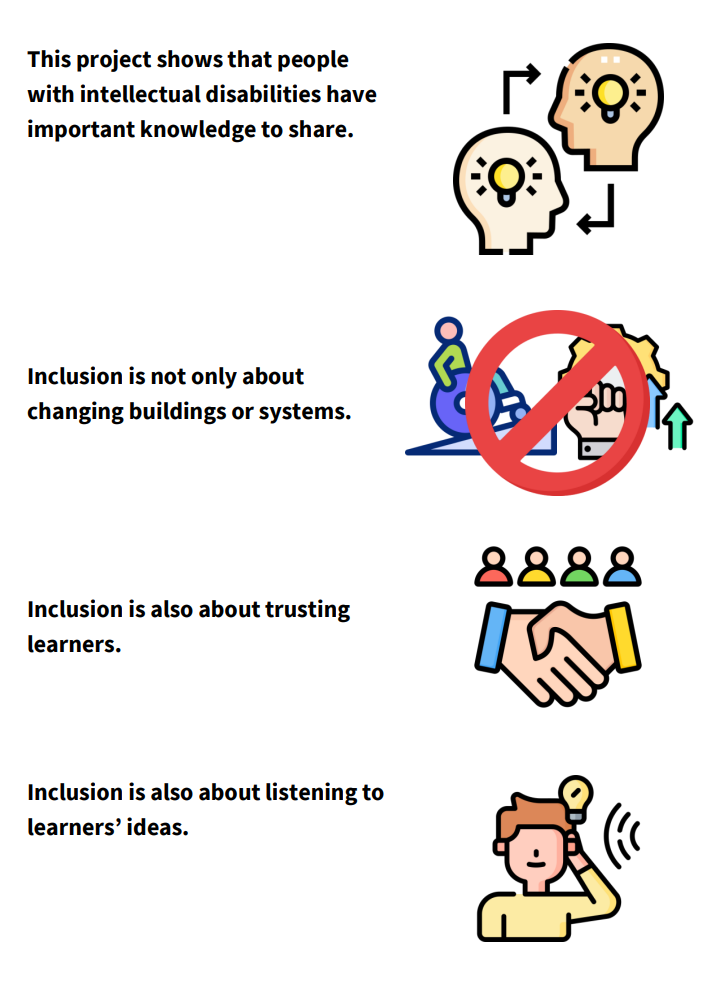
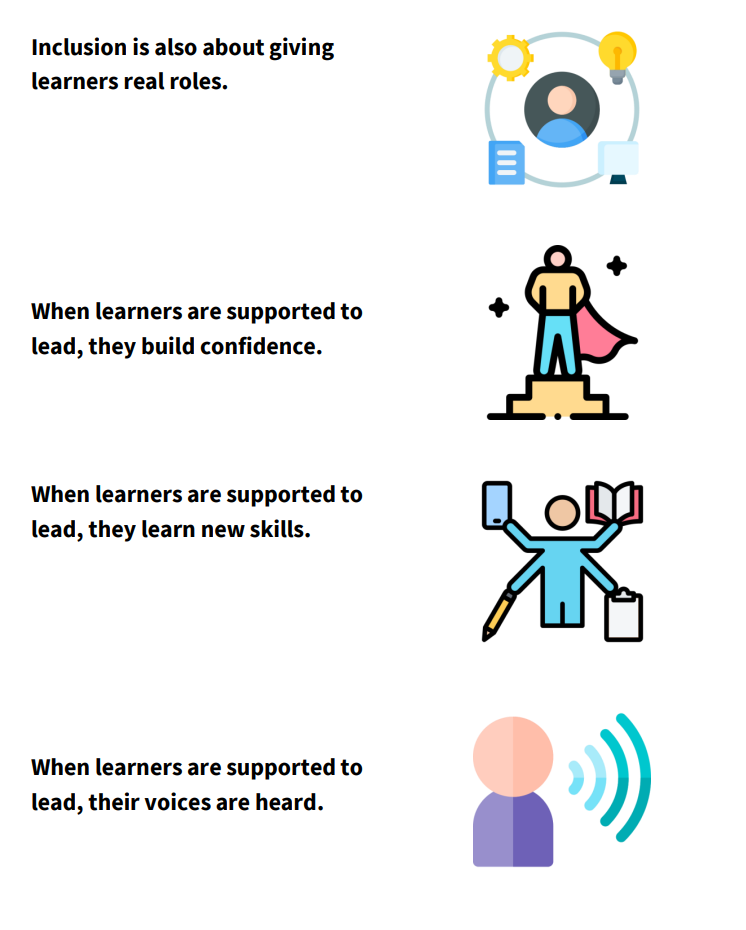
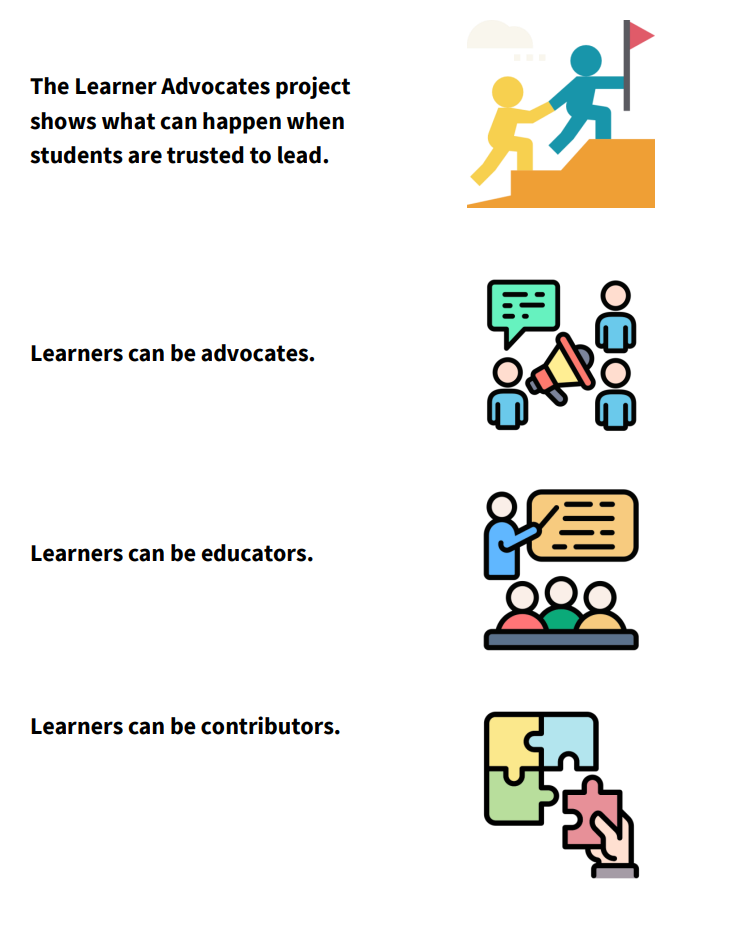
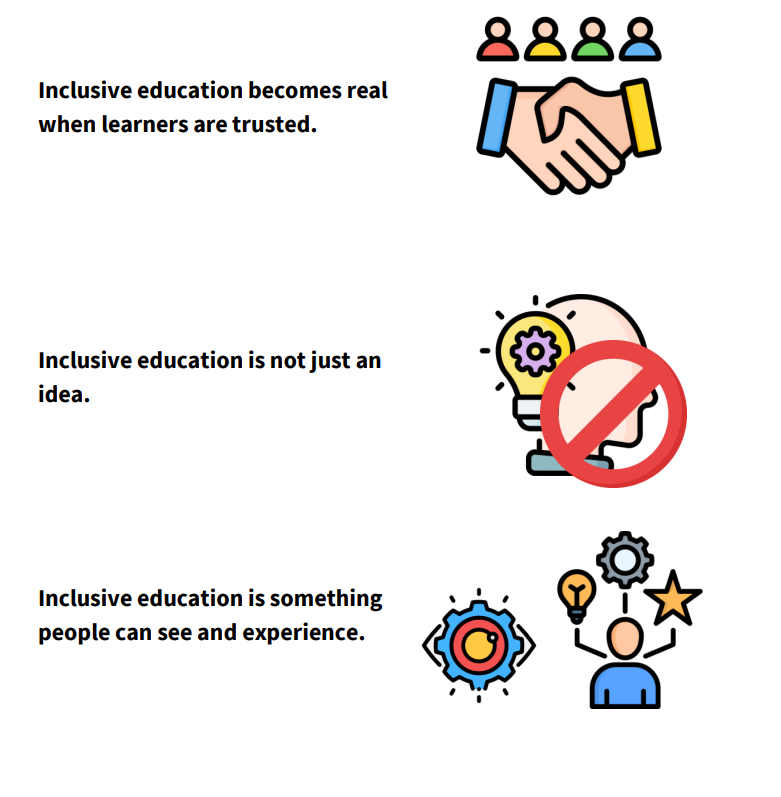
This image contains information about the learner advocates project in bullet type fomat. For example, the project took place in a university in Ireland and suppported students with intellectual disability to partake in education in a university setting.  Each point also has corresponding images.

The project took place in Trinity College and as part of this the students organised an awareness event and spoke about issues that matter to them.

Students attend university class and partake in campus life. They learn skills for work and adult life. This project is part of a second year module called Disability Rights.  Students worked together to plan a disability awareness event.


As part of the planning of the event they decided the topic they wanted to focus on and what messages they wanted to share. And how they wanted to speak to the audience. This way of working called co-design, where people decide things together.

The co-design method means everyone's ideas matter and that learning happens through doing. As the project continued, students began to call themselves Learner Advocates.

Taking on the group name showed they felt proud of their work and felt responsible for the event, and that they felt confident sharing thier views.

They shared jobs with each other and worked towards deadlines, and supported each other. For many students this was their first time being part of a committee.

For many students it was their first planning an event and having responsibility in a university setting, which wasn't always easy. Sometimes plans had to change.

Student's learnt how to deal with pressure and solve problems together. They learnt how to keep going when things got difficult. This helped them grow in confidence.

During the project, students took on new roles; some helped run the event; others led discussions and some spoke in public.

These roles felt challenging at first but students felt proud when they did the roles. Being listened to mattered a lot to the students. When staff and guest took students' ideas seriously the students felt valued.

When staff and guests listened, students felt confident and felt they belonged in the university. The project showed that students with intellectual disabilities can be leaders and speakers.

The project showed that students with intellectual disabilities can be advocates. The students chose to focus their event on voting. They spoke about their own experience of voting and looked at how voting works.They also looked at what makes voting hard and what would make it easier, as they said voting can be difficult to understand as voting information can be unclear.

Students said support is not always available and suggested using Easy Read voting information. Students suggested clearer explanations of voting systems and having support available all day.

This helped students understand their rights and how systems can change. This project shows that learning works best when it connects to real life and that students learn more when they help design the work.

This project shows that people with intellectual disabilities have important knowledge to share and that inclusion is not just about changing buildings or systems; it's also about trusting learners and listening to learners' ideas.

Inclusion is about giving learners real roles.  When learners are supported to lead, their voices are heard, they build confidence and learn new skills..

The learner advocates project shows what can happen when students are trusted to lead and that learners can be advocates and educators, and contributors.

Inclusive education becomes real when learners are trusted and that inclusive education is not just an idea but something that people can see and experience.


Search AHEAD Journal

Navigation

Follow AHEAD

  • Follow AHEAD on Twitter
  • Join AHEAD on Facebook
  • See AHEAD on YouTube
  • Link in with AHEAD on Linked In

Get Email Updates 


TOP
This article appeared in the AHEAD Journal. Visit www.ahead.ie/journal for more information