INHEF Special Feature
University for Everyone: Pathways to Higher Education for Students with Intellectual Disabilities
For generations, individuals with intellectual disabilities were excluded from Higher Education. Their voices, talents, and aspirations were often overlooked. Today, however, Ireland is witnessing a profound shift. Inclusive education has become a national priority, reflected in recent policy developments and supported through initiatives such as PATH 4 funding. At the heart of this change is a recognition that university is for everyone.
One of the most powerful ways Higher Education can transform lives is by fostering self-worth, agency, and the ability to make informed choices. Access to education builds technical, cognitive, and communication skills, but it also nurtures confidence, identity, and belonging. Research shows that inclusion benefits not only the individual student but also the wider university community, staff, and society. When students with intellectual disabilities participate in Higher Education, they challenge assumptions, expand perspectives, and enrich the culture of learning for all.
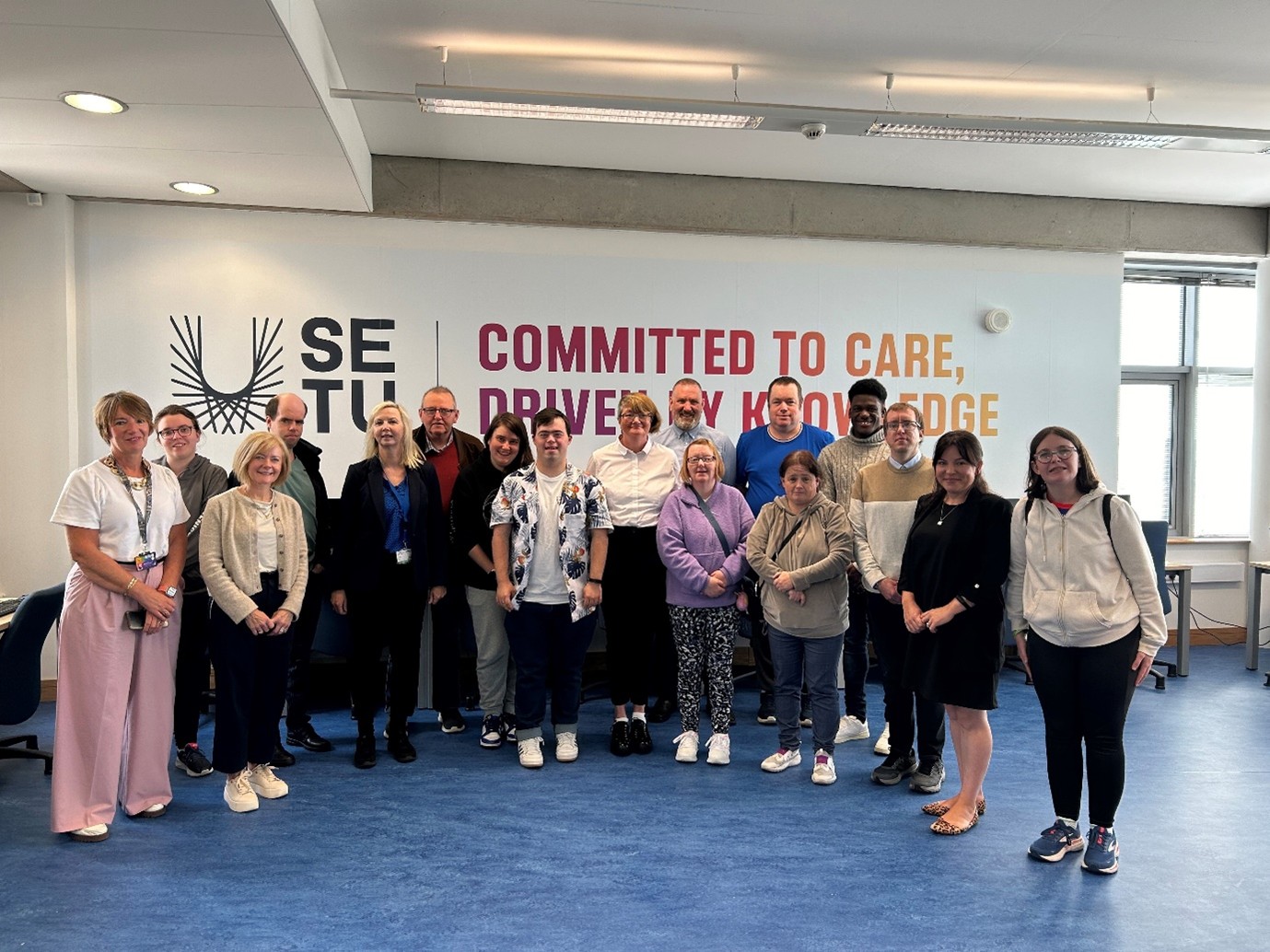
Image 1. Certificate in Personal Development students and staff
The Certificate in Personal Development and Applied Skills at South East Technological University (SETU) embodies this vision. Developed through PATH 4 funding, the programme is rooted in a hybrid model of inclusion: tailored modules in personal development, independent living, and employability are combined with opportunities to engage in campus life, clubs, societies, and shared learning experiences. This approach ensures that students are not only supported but also integrated into the broader university community.
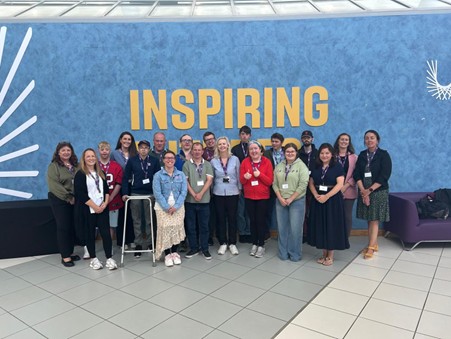
Image 2. Certificate in Applied Skills Development students and staff
Equally important is the way this programme has been designed and delivered. It is built on the principles of co-production and participatory action research (PAR). Students are not passive recipients of education; they are active partners in shaping the programme, its content, and its outcomes. Through co-production, their lived experiences inform curriculum design, teaching practices, and evaluation. Participatory action research ensures that the programme evolves in response to student feedback, creating a cycle of reflection, action, and improvement.
This work could not have been achieved without the dedication of the staff team and the wider community partnerships. Lecturers, academic support staff, and administrators collaborate closely with families, advocacy groups, and community organizations to ensure that inclusion is not just a principle but a lived reality. Their commitment demonstrates that inclusive Higher Education is a collective endeavour one that requires shared responsibility, creativity, and compassion. By working together, the staff team and community partners have created a supportive environment where students can thrive, and where the pathway into Higher Education is sustained and strengthened.
The success of this initiative demonstrates the importance of sustaining and expanding such pathways. Ireland's National Access Plan 2022-2028 commits to widening participation among under-represented groups, and programmes like this show what is possible when policy, funding, staff, and community come together. By embedding universal design and a whole-institution approach to student success, SETU is helping to redefine what Higher Education can and should be.
This video, created by the students themselves, is a testament to that vision. It shares their experiences, their voices, and their message: education empowers, inclusion matters, and sustaining this pathway is vital for the future of Higher Education in Ireland.


