Advancing Equity and Innovation in Practice Placements: Insights from CORU’s national mixed-methods study
Introduction
Practice placement is a core requirement of all CORU approved health and social care professional programmes. It is a key environment through which students develop professional identity, clinical competence through integration of theory into practice, and professional confidence. While practice placements are central to professional development, ongoing challenges have been identified relating to capacity, accessibility, supervision and consistency.
In 2025, CORU commissioned a national mixed-methods study. The findings from this study have directly informed the development of guidance regarding practice placement for education providers. The intention of this guidance document is to help education providers delivering programmes for CORU regulated professions garner clarity and consistency in how practice-based learning via placements is designed, delivered and evaluated.
This article aims to consolidate the results from this study, highlighting the balance required between maintaining placement quality and pursuing innovative modalities.
While the findings from the study consistently emphasise the central role of traditional placement sites, evidence indicates that supplementary innovative modalities can support student preparedness and inclusion during placements.
The National Mixed-Methods Study
Through practice placements, students develop competence, confidence and professional identity as health and social care graduates. As the statutory regulator for 12 professions in Ireland, CORU approves and monitors programmes that deliver on these professions, to ensure that graduates meet the relevant Registration Board’s standards of proficiency. With a steady rise in demand for placements, inconsistent supervisory capacity, accessibility barriers for students with disabilities and varying perspectives on innovative models, CORU actioned a national mixed-methods study to better understand these developments.
The study engaged four cohorts of respondents:
- Providers of CORU Approved Programmes.
- Class Reps and Current Students on CORU Approved Programmes.
- Students/Graduates with Disabilities on CORU Approved Programmes.
- Disability Officers supporting Students on CORU Approved Programmes.
The findings from this research have formed the foundation for CORU's draft placement guidance for Education Providers (EPs) which will be published for all stakeholders in the first quarter of 2026. This guidance document aims to reflect current practices and emerging developments within the field, support EPs in maintaining standards while enabling innovation and inclusion. Additionally, this guidance document is intended to be treated as a live document that will be periodically reviewed and updated following publication.
Supervision Models
The engagement from the cohorts revealed variations in supervision approaches and the levels of preparedness students experienced.
While traditional one-to-one supervision remains the dominant method, valued for its authenticity and transparency, both EPs and Disability Officers (DOs) reported an increase in (or at times the trial of) alternative methods which include:
- paired supervision,
- 2:1 supervision,
- peer and group supervision,
- long-arm supervision,
and
- role-emerging placements.
This was understood to be a response to capacity limitations and to accommodate diversifying learner needs.
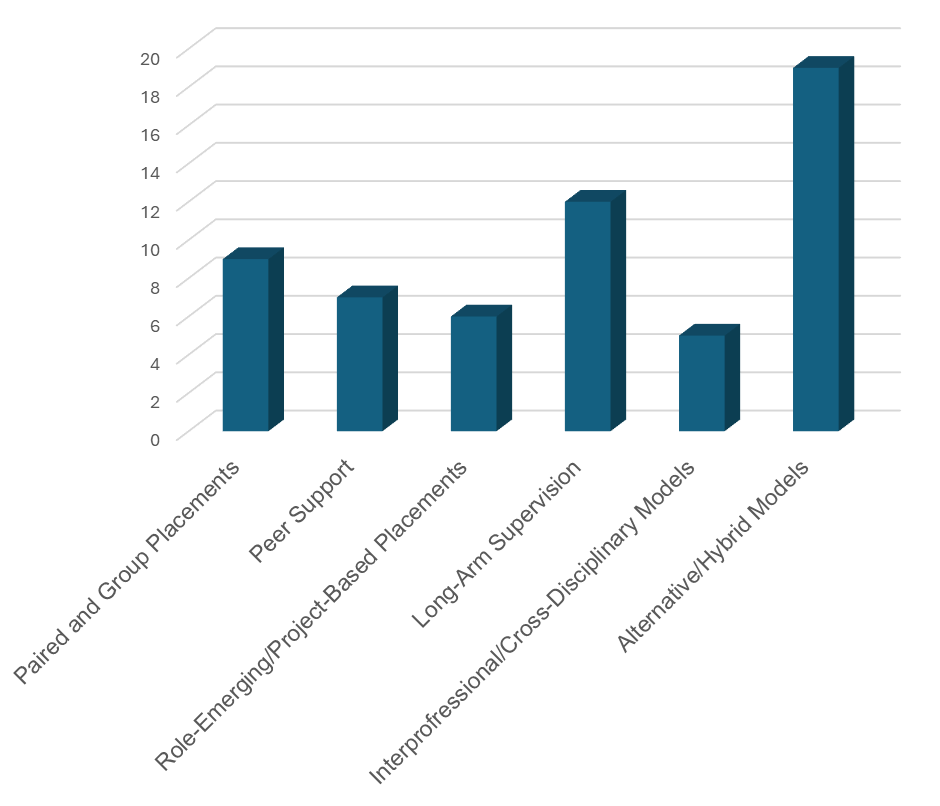
Figure 1. Distribution of Supervision Models Used in Practice Placements
While the adoption of these models differed from programme to programme, EPs exercised a measured approach noting that greater clarity at a regulatory level would support confidence and consistency in implementation.
Innovative Modalities
Simulation, Telehealth, Virtual Reality (VR)/Augmented Reality (AR) and structured role-play were evidenced as being the most popular pre-placement preparation techniques targeting skill development. There was broad agreement across the cohorts that these modalities increase students’ preparedness, reduce their anxiety, allow them to make mistakes and learn from them in a controlled environment and practice communication in a low-risk environment. Importantly, all four cohorts agreed that these innovations should be treated as complementary rather than replacements for in-person placements.
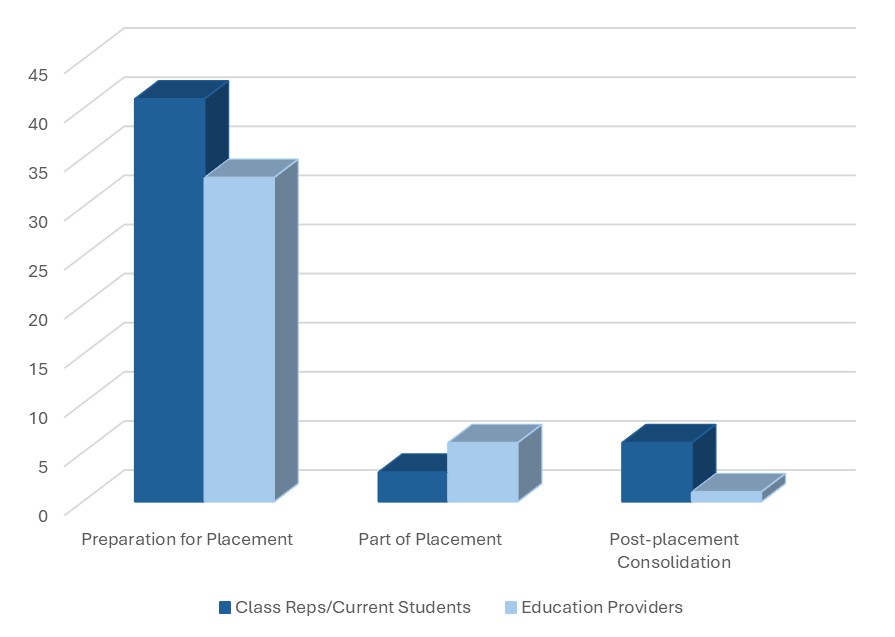
Figure 2. Use of Innovative Modalities as a Preparatory Tool
Accessibility and Accommodations
Both students with disabilities and DOs reported inconsistencies experienced when implementing reasonable accommodations (RA) across placement sites. This extended to the variation in disclosure practices which were heavily curbed by the fear of stigma and bias. Practical barriers which included, but were not limited to, travel, accommodation costs, inflexibility in schedules, lack of assistive technology (AT) or IT access, were cited frequently. Inclusionary practices highlighted in the study included the LENS Reports (Learning Educational Needs Summary), reasonable accommodations drawn up based on a case-by-case basis, pre-placement and tripartite meetings and the integration of Universal Design for Learning (UDL) and AT. These were frequently accompanied by references to resourcing and staffing constraints. DOs also highlighted the influence of organisational culture on how disability and accommodations are understood and implemented.
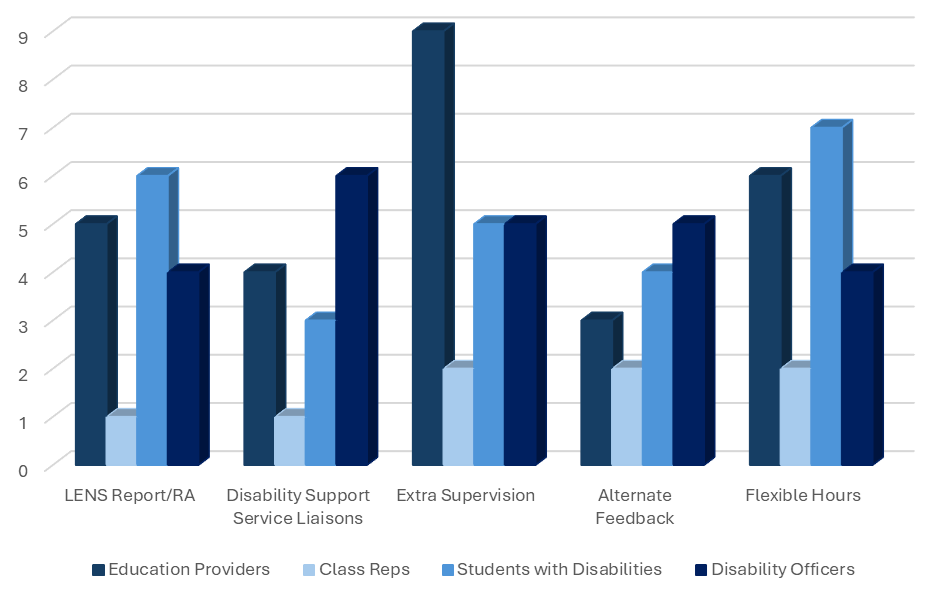
Figure 3. Inclusion Supports Reported as Effective Perceived Value
Preparedness vs Perceived Value
As highlighted previously, in-person placements remain the principal environment through which students develop their professional identity, clinical judgement and autonomy.
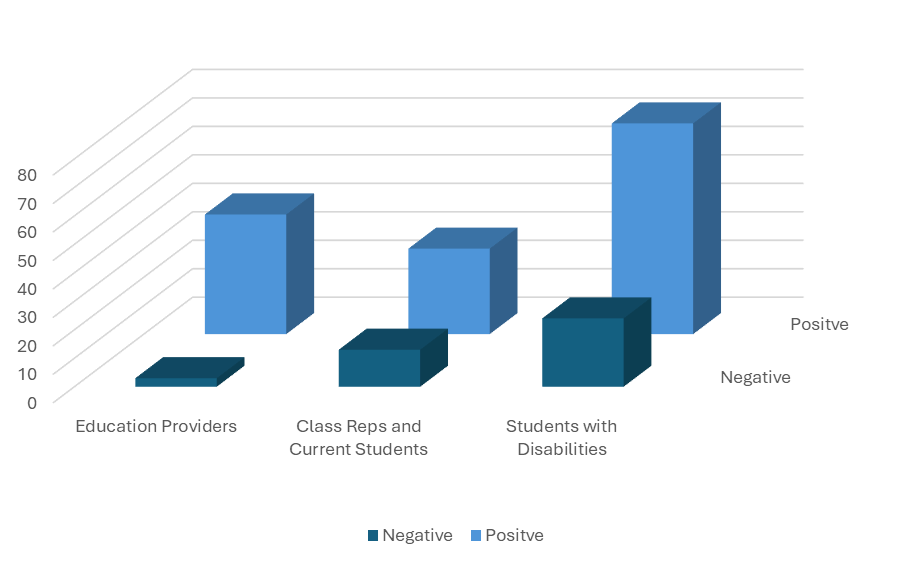
Figure 4. Preparedness vs Perceived Educational Value
Although innovative practices were rated highly for preparing students through simulation and role-play, in practising sensitive situations, they could not substitute for real-life scenarios and could not recreate the human element. DOs positively referenced the use of these innovations, particularly for students who struggled with social interactions and anxiety-related conditions.
Governance, Coordination and Communication
Highlighted specifically by EPs, the perceived uncertainty regarding CORU’s remit as a regulator and the perceived lack of clear, sector-wide guidance on the acceptable use of alternative models was a recurring concern.
EPs reported that their decisions were influenced by considerations of regulatory alignment and assurance. Through the publication of the draft placement guidance, CORU’s objective is to clarify expectations, encourage healthy quality assurance measures and support evaluation of novel modalities while preserving autonomy.
CORU’s Draft Guidance: Evidence-Based and Proportionate
The draft placement guidance, with a publication in the first quarter of 2026, developed from the data collected through this national study, aims to:
- Emphasise the central role of practice placements within programmes.
- Support the development and sharing of evidence to inform understanding of alternative and emerging placement models, including:
- Highlighting the value of quality-assured innovative modalities as preparatory supports.
- Recognise diverse supervision models aligning with learning outcomes supported by quality assurance processes.
- Acknowledge placements taking place outside the State while highlighting the considerations relevant to it.
- Strengthen consideration of accessibility, reasonable accommodations, and inclusive practice through
- Encouraging the use of Universal Design for Learning (UDL) and Assistive Technologies (AT) where appropriate.
- Supporting flexible approaches to the accumulation of placement hours, where appropriate.
- Promoting transparent communication between students, education providers, and placement providers, including effective pre-placement planning and use of LENS/RA documentation.
Suggestions for EPs and Placement Sites
- Consider piloting alternative models with appropriate and proportionate evaluation methods of evaluation that measure against the standards of proficiency, student preparedness, and equity of access.
- Focus on practice educator training and the frequency of these training sessions.
- Embedding UDL, AT and pre-placement orientations wherever possible as standard practice; supporting consistent approaches to RA through standardised processes, LENS Reports and implementation of tripartite meetings.
- Document and present evaluated innovations to CORU through Approval and Monitoring Processes, or through Annual Updates, to support shared understanding and, appropriately instigate policy development.
Conclusion
CORU’s research reveals that the practice placement system is experiencing increasing pressures but is also rich with innovation aimed at advancing access, inclusion and preparedness. There is a clear need for guidance and support from CORU as the regulator.
CORU’s draft placement guidance for education providers has been developed with a heavy influence from the findings of this study. It supports and confirms the central and irreplaceable role of in-person practice placements in developing professional competence through authentic interaction with service users. Simultaneously, this guidance document recognises the potential value of alternative innovative modalities and their use in enhancing student readiness, confidence and inclusion, as long as they are implemented in an evidence-informed manner, subject to appropriate quality assurance and evaluation processes. This is to ensure that student learning, wellbeing and public protection remains the foremost priority. The intention is that this placement guidance will remain a dynamic, living document, periodically responding to emerging evidence and developments in practice education.
Moving forward, CORU encourages continued cross-sectoral collaboration, shared data collations and clear communication to ensure that practicable innovations are equitable and high quality.
Practical Next Steps for Stakeholders (EPs/Placement Providers)
- Once published, to review CORU’s guidance, considering local capacity and disability support systems.
- Identify small-scale pilotable projects (for example: simulation, role-play, paired supervision, etc.), design, evaluate and implement plans accordingly.
- Strengthen tri-party placement communications to ensure LENS/RA processes are executed on time, reducing late disclosures and last-minute adjustments.
- Share findings from the employment of these innovative modalities with CORU to contribute to shared sectoral learning and inform future policy development.


